
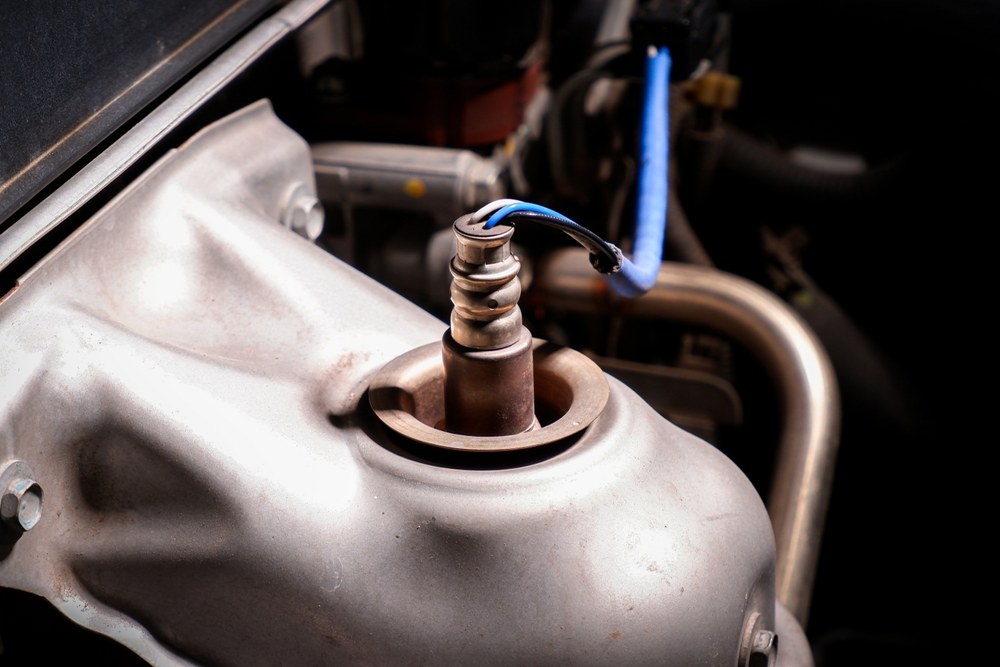
Your vehicle depends on several sensors to keep the engine operating efficiently, and one of the most important is the oxygen sensor. This small component continuously measures the oxygen content in the exhaust gases and sends the information to the engine control module. Using this data, the engine adjusts the air-to-fuel mixture to maintain efficient combustion, improve fuel economy, and reduce emissions. Whether you drive a luxury sedan, a sports car, a classic automobile, an antique vehicle with modern engine management, a truck, an SUV, or your everyday commuter, properly functioning oxygen sensors contribute to smooth engine performance and dependable operation. Like any other automotive component, oxygen sensors gradually wear out with age and mileage. As their accuracy declines, engine performance can suffer without immediately triggering obvious symptoms. If your vehicle has accumulated significant mileage or has begun showing subtle changes in performance, having the engine management system inspected can help determine whether aging oxygen sensors are affecting overall efficiency.
A Worn Oxygen Sensor Can Affect More Than Fuel Economy
Many drivers associate oxygen sensors only with fuel efficiency, but these components affect far more than just the number of miles you get per tank of gas. When an oxygen sensor begins providing inaccurate readings, the engine may deliver either too much or too little fuel during combustion. This imbalance can reduce engine responsiveness, affect acceleration, and increase exhaust emissions. You may notice rough idling, hesitation during acceleration, reduced power, or a decrease in fuel economy that gradually becomes more noticeable over time. Luxury vehicles and high-performance sports cars depend on precise fuel management to deliver the smooth power and responsiveness they were engineered to provide. Even classic vehicles equipped with electronic fuel injection rely on accurate sensor information for dependable operation. Addressing oxygen sensor concerns before they worsen can help restore engine efficiency and reduce unnecessary strain on other emission and fuel system components.
The Check Engine Light May Be Warning You About Sensor Problems
One of the most common indicators of a failing oxygen sensor is an illuminated check engine light. Although this warning light can indicate many different conditions, oxygen sensor faults are among the most common causes. Ignoring the warning light may allow minor engine management issues to continue affecting performance for an extended period. In some situations, a faulty oxygen sensor can contribute to excessive fuel consumption or place additional stress on the catalytic converter, one of the most expensive components in the emissions system. Modern luxury brands such as BMW, Mercedes-Benz, Audi, Lexus, Porsche, and Acura rely on multiple oxygen sensors working together to accurately monitor engine performance. Professional diagnostic testing can determine whether the warning light is related to an oxygen sensor or another engine management component, allowing repairs to focus on the actual source of the problem rather than unnecessarily replacing parts.
Timely Replacement Helps Protect Engine and Emissions Components
Oxygen sensors naturally wear out over time because they operate in extremely hot environments and are constantly exposed to combustion byproducts. Even if your vehicle appears to be running normally, older sensors may react more slowly than they should, causing gradual declines in efficiency that often go unnoticed. Replacing worn oxygen sensors at the appropriate time helps maintain proper fuel delivery, supports smoother engine operation, and reduces unnecessary wear on other components within the emissions system. This preventive maintenance is especially valuable for owners of luxury vehicles, sports cars, collector automobiles, and high-mileage daily drivers who want to preserve dependable performance. Keeping your engine management system operating as intended can also help prevent avoidable repairs while supporting cleaner emissions and more consistent fuel economy throughout your vehicle’s life.
Professional Oxygen Sensor Replacement Supports Reliable Performance
Accurate engine performance begins with reliable sensor information. Professional oxygen sensor replacement includes advanced diagnostic testing to confirm sensor operation, inspection of related engine management components, and installation of quality replacement parts that meet manufacturer specifications. Whether you own a luxury vehicle, sports car, antique automobile, classic car, truck, SUV, or family vehicle, replacing worn oxygen sensors can improve engine responsiveness, fuel efficiency, and overall drivability while helping protect your emissions system. At Clairemont Auto Care, experienced technicians provide comprehensive engine diagnostics and oxygen sensor replacement services for domestic, European, and Asian vehicles. If your check engine light is on, your fuel economy has declined, or your engine no longer performs as smoothly as it once did, call Clairemont Auto Care at (858) 274-6566 to schedule a professional inspection. Addressing oxygen sensor concerns early can help restore dependable performance and keep your vehicle running efficiently for miles to come.
We are located at 4495 Clairemont Mesa Blvd., San Diego, CA 92117.
Yes. Clairemont Auto Care offers coupons and financing options to help customers get reliable service at a fair value.
Same-day service may be available for select repairs and maintenance services, depending on schedule and parts availability.
Yes. Our team uses diagnostic tools to identify the issue and recommend the right repair.
Yes. We provide brake inspections, brake pad replacement, brake fluid service, and brake repair.
We service most makes and models, from basic maintenance to major repairs.
Yes. Clairemont Auto Care offers smog check and emissions services for drivers in Clairemont and San Diego.
Appointments are recommended, but we may offer same-day service on select repairs. Call us at (858) 274-6566 to check availability.